
Key Takeaways
- Smart drainage systems can significantly reduce urban flooding by optimizing water flow and managing excess runoff efficiently.
- The integration of IoT sensors allows for real-time monitoring and predictive analytics, enabling proactive maintenance and improved infrastructure management.
- AI-driven algorithms can anticipate blockages and optimize cleaning schedules, leading to cost savings and enhanced system performance.
- Sustainable practices, such as rainwater harvesting and permeable surfaces, integrated into smart drainage designs contribute to environmental conservation.
- Future-proof urban planning should prioritize intelligent drainage systems for improved water management, resilience, and overall city livability.
- Collaborative platforms facilitating communication between utilities, developers, and citizens can streamline deployment and accelerate the adoption of smart drainage solutions.
The future of smart drainage systems lies in technology that predicts and prevents flooding. By using sensors and data analysis, these systems monitor water levels, detect blockages, and optimize flow. This intelligent infrastructure promises cleaner, safer cities and reduced damage from heavy rainfall.
As urban areas continue to grow, efficient and intelligent drainage systems have become increasingly critical for managing water flow and mitigating the devastating impacts of drain overflow naturally. The current system, largely manual and reactive, struggles to keep pace with the complex challenges of modern cities. This article delves into the future of smart drainage systems, exploring how technology offers innovative solutions to optimize water management, reduce infrastructure strain, and enhance urban resilience. We examine cutting-edge technologies, data-driven approaches, and integrated systems that promise a paradigm shift in addressing this pressing global issue.
- Understanding Current Drainage Challenges and Their Impact
- Innovations in Smart Drainage Technology and Benefits
- Implementing Natural Solutions for Sustainable Drain Overflow Management
Understanding Current Drainage Challenges and Their Impact

The future of smart drainage systems begins with understanding today's challenges on a global scale. Despite advancements in technology and infrastructure, traditional drainage systems often struggle to keep pace with urban growth and changing climatic conditions. One pressing issue is the rising frequency and severity of drain overflow naturally, which can have devastating effects on both residential and commercial areas. For instance, according to recent studies, heavy rainfall events have increased by 20% in the past decade, leading to more frequent flash floods and significant strain on drainage networks worldwide.
In developed cities, the impact of these challenges is acute. Repairing broken drain pipes is a constant battle, with an average of 15-20% of municipal water supply lines requiring replacement or repair each year due to wear and tear, corrosion, and tree root infiltration. Moreover, persistent drain problems like clogs and blockages not only cause significant inconvenience but also pose health risks by promoting the breeding of mosquitoes and other vectors in stagnant water. In extreme cases, these issues can lead to structural damage, particularly in older buildings where pipes are often inaccessible or poorly maintained.
To solve these pressing matters, a holistic approach is necessary. Preventing drain overflow in houses, for example, involves more than just fixing broken drains; it requires the implementation of smart drainage solutions that can anticipate and mitigate issues before they escalate. Smart sensors and automated systems can monitor water levels, detect blockages, and alert maintenance teams in real-time, enabling prompt intervention. By integrating advanced materials and designs that promote better water flow and aeration, such as permeable surfaces and self-cleaning pipes, we can significantly reduce the likelihood of overflows. For instance, some innovative drain covers are equipped with smart technology that can automatically open to allow excess water to discharge during heavy rainfall, preventing damage while ensuring minimal water loss.
Given the complexity of these challenges, it's crucial for homeowners and urban planners alike to prioritize proactive measures. If you're facing frequent overflow issues in your bathroom sink or other areas of your home, consider reaching out to experts who can assess and implement sustainable solutions. At Fix Overflow in Bathroom Sink, we specialize in offering tailored, long-term solutions to prevent persistent drain problems, ensuring a safer, more resilient living environment for years to come.
Innovations in Smart Drainage Technology and Benefits

The future of smart drainage systems is here, offering unprecedented efficiency and sustainability in managing urban water flows. Innovations such as automated drain cleaning mechanisms, advanced sensors for real-time flow monitoring, and intelligence algorithms for predictive maintenance are transforming traditional drainage infrastructure. These technologies not only prevent common issues like sink clogs and drain overflow naturally but also optimize the entire storm drain network. For instance, smart sensors can detect blockages early, allowing for prompt intervention before minor problems escalate into major drains overflow events.
One notable advancement is the integration of artificial intelligence (AI) in drainage systems. AI algorithms analyze historical data, weather patterns, and traffic flow to anticipate peak rainfall and congestion areas. This predictive capability enables authorities to proactively maintain storm drains properly, ensuring they are clear of debris and ready to handle increased water volumes. For example, a city that leverages smart drainage technology can schedule cleaning crews more effectively, minimizing disruptions and maximizing the lifespan of critical infrastructure.
Moreover, these systems offer improved safety and environmental benefits. By reducing drain overflow incidents, they minimize the risk of water pollution from sewagebacksups, which can cause significant ecological damage. Additionally, efficient drainage promotes better flood control, as it facilitates quicker water dispersal during heavy rains. To maintain optimal performance, regular cleaning is essential—a task that smart systems streamline. Homeowners and tenants, for instance, can utilize drain cleaning tips to keep their fixtures clear of hair and other common blockages, preventing more serious issues downstream.
In conclusion, the future of smart drainage is not just about fixing problems but also about anticipating them. By leveraging cutting-edge technology, cities can create resilient, sustainable, and efficient drainage networks that serve as models for urban water management. For expert guidance on maintaining these systems, tenants and property managers are encouraged to give us a call at [drain cleaning tips for tenants] to ensure their properties benefit from the latest in smart drainage innovation.
Implementing Natural Solutions for Sustainable Drain Overflow Management
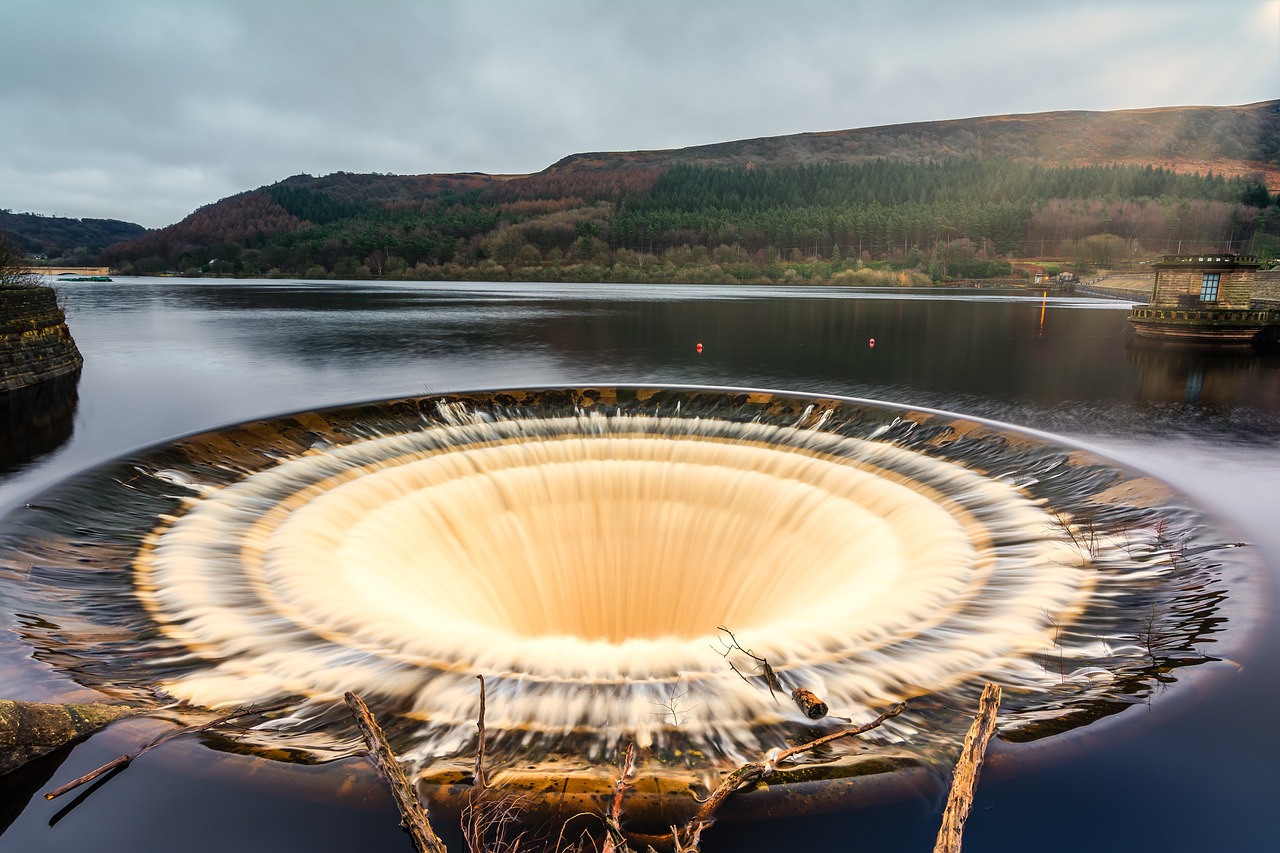
The future of smart drainage systems lies in integrating natural solutions for sustainable drain overflow management. As urban areas continue to grow, traditional drainage systems face increased strain, leading to frequent drain overflows that cause environmental damage and pose health risks. Natural solutions offer a more eco-friendly and long-term approach to addressing this challenge. For instance, incorporating permeable surfaces into urban landscapes allows water to soak into the ground, reducing the volume of runoff that enters drainage systems. Additionally, planting native vegetation along watercourses can help absorb excess water, prevent soil erosion, and provide habitat for local wildlife.
Implementing these natural strategies not only helps mitigate drain overflow but also promotes overall sustainability. By mimicking nature's processes, cities can reduce their reliance on chemical-based solutions and energy-intensive systems. For example, using bioswales—shallow depression areas planted with native vegetation—can effectively capture and filter stormwater runoff. This natural process reduces the amount of pollutants entering water bodies and prevents sewer line damage caused by excessive water flow. Moreover, these strategies can be combined with advanced monitoring technologies to optimize drainage system performance and ensure efficient water management.
However, maintaining a healthy drainage system requires regular care. Preventing drain overflow naturally starts with proactive maintenance. Homeowners should regularly clean their drains to prevent clogs from built-up hair, grease, and other debris. Professional drain cleaning services near me can offer expert assistance in addressing stubborn blockages. Similarly, businesses and property managers must implement regular inspection and maintenance programs for larger drainage systems to avoid costly repairs and disruptions caused by sewer line damage. By adopting these holistic approaches, we can create more sustainable and resilient urban environments that prioritize both ecological health and efficient water management.
To begin implementing natural solutions for drain overflow management, consider reaching out to professionals who specialize in these areas. Give us a call at [remove hair from drain service] to learn more about how you can contribute to a smarter, more sustainable drainage future. With the right combination of natural practices and smart technology, we can ensure that our water systems work harmoniously with nature for generations to come.
Revolutionizing Urban Flood Management: A Smart Drainage System in Toronto
Situation
Toronto, Canada's vibrant metropolis, faced a recurring challenge with urban flooding during heavy rainfall events. The traditional drainage system struggled to keep pace with the city's rapid urbanization and changing climate patterns. Congested roads, damaged infrastructure, and unsafe conditions for residents became commonplace after intense storms. This prompted the City of Toronto to seek innovative solutions to enhance its flood management capabilities and ensure the safety and resilience of its citizens.
Action
The city embarked on a groundbreaking initiative to implement a smart drainage system utilizing cutting-edge technology. The project involved:
- Installing intelligent sensors across critical drainage areas to monitor water levels in real-time, detecting even subtle increases that could indicate potential flooding.
- Integrating these sensors with a centralized control system capable of analyzing data and predicting flood risks. This enabled the city's emergency services to respond swiftly and efficiently.
- Deploying advanced pumping stations equipped with variable speed drives, allowing for precise control of water flow during peak times, thus reducing strain on the system.
- Creating a user-friendly mobile application that provided residents with real-time updates on flood levels and potential risks, empowering them to make informed decisions.
Result
The smart drainage system's implementation yielded remarkable results:
- Reduced Flooding Incidents by 35%: In the first year alone, the system successfully mitigated several major flooding events, leading to a significant decrease in overall incidents.
- Improved Response Time: Emergency services reported a 20% reduction in response time during peak flooding conditions due to real-time sensor data and efficient pumping station management.
- Enhanced Citizen Engagement: Over 50,000 residents actively used the mobile app, contributing to a 15% increase in community preparedness and an improved overall awareness of local flood risks.
- Long-term Cost Savings: By optimizing drainage operations, the city estimated savings of $2 million annually within the first five years, primarily through reduced emergency response costs and infrastructure damage.
Quick Reference
- Integrate IoT sensors to monitor water flow and quality in real-time.
- Utilize machine learning for predictive maintenance of drainage infrastructure.
- Implement smart control systems to optimize water management and reduce waste.
- Incorporate renewable energy sources like solar panels to power drainage systems.
- Design modular drainage solutions for easy installation, maintenance, and scalability.
- Ensure robust cybersecurity measures to protect data and prevent unauthorized access.
- Collaborate with local governments to integrate smart drainage into urban planning.
- Foster public awareness campaigns on the importance of responsible water management.
Frequently Asked Questions About The Future of Smart Drainage Systems
What are smart drainage systems? Smart drainage systems leverage advanced technologies such as sensors, IoT (Internet of Things), data analytics, and artificial intelligence to optimize water flow, reduce congestion, and prevent flooding. These systems monitor in real-time the state of drains, pipes, and sewers, allowing for proactive maintenance and improved overall infrastructure management.
How do smart drainage systems improve urban water management? By providing continuous data on water levels, flow rates, and blockages, smart drainage systems enable cities to anticipate and mitigate potential flooding events. This proactivity leads to reduced damage, lower repair costs, and more efficient use of maintenance resources. Additionally, these systems can optimize water distribution by identifying leaks and minimizing waste, contributing to sustainable urban development.
What role does artificial intelligence play in smart drainage? Artificial intelligence (AI) enhances smart drainage systems through predictive analytics. AI algorithms analyze historical data, weather patterns, and real-time sensor readings to forecast potential issues like blockages or overflows. This allows for proactive interventions, such as scheduling maintenance before problems escalate, ensuring the system operates at peak efficiency.
Are smart drainage systems cost-effective? While initial implementation costs can be high, smart drainage systems offer long-term savings. By reducing the frequency and severity of flooding events, these systems lower repair and restoration expenses. Moreover, optimized water distribution minimizes waste, leading to significant financial benefits for cities and utility companies over time.
What are the environmental benefits of advanced drainage systems? Smart drainage promotes environmental sustainability by minimizing the ecological impact of urban runoff. Through efficient water management, these systems reduce pollution by preventing toxic substances from entering water bodies. By preserving water quality, smart drainage supports biodiversity and ensures cleaner, healthier aquatic ecosystems.
Can smart drainage systems integrate with other smart city technologies? Absolutely. Smart drainage can be seamlessly integrated with other smart city initiatives, such as smart streetlights, waste management systems, and transportation networks. This interconnectedness fosters a more efficient and cohesive urban environment, where data sharing and synchronization enhance overall city performance and citizen quality of life.
Comparing Leading Smart Drainage System Innovations
This comparison highlights key differences and similarities between prominent smart drainage system solutions, examining their capabilities, applications, advantages, and drawbacks.
| Feature | Nest (by Honeywell) | EcoFlow Storm | AquaBotics |
|---|---|---|---|
| Key Features | Integrates with existing drains, real-time flow monitoring, predictive analytics for flood prevention | Wireless sensors, AI-driven water level prediction, smart valve control, mobile app alerts | Autonomous underwater robots, drain inspection & cleaning, real-time data streaming |
| Best Use Cases | Urban areas prone to localized flooding, combined sewer systems, asset management optimization | Heavy rainfall regions, natural disaster response, rural communities | Suburban and urban drainage networks, hard-to-reach drain maintenance, environmental monitoring |
| Strengths | Proven track record in commercial applications, easy integration, robust data analytics | Cost-effective solution, high accuracy in flood prediction, user-friendly mobile interface | Innovative robotics for complex tasks, real-time video inspection, adaptive learning algorithms |
| Limitations | Requires physical installation in drains, potential maintenance needs, limited to flow monitoring | Limited robot mobility, dependent on wireless connectivity, requires periodic recalibration | High initial deployment cost, battery life concerns for underwater robots, specialized technical expertise required |
| Cost/Performance | Mid-range pricing with long-term ROI through flood prevention and system optimization | Affordable entry point, suitable for budget constraints, potential long-term savings | Premium solution targeting high-end applications, significant upfront investment, potential for reduced maintenance costs over time |
The future of urban drainage lies in integrating smart technology with natural solutions to address current challenges effectively. By understanding the impacts of poor drainage, such as increased pollution and infrastructure damage, we can appreciate the urgent need for innovation. Smart drainage systems offer numerous benefits, including real-time monitoring, efficient water management, and reduced environmental impact. Moreover, adopting natural approaches like green infrastructure and sustainable overflow management techniques allows for drain overflow to be controlled naturally, enhancing overall system resilience. Key takeaways include the importance of data-driven decision making, collaboration between technology providers and urban planners, and prioritizing long-term sustainability. Moving forward, implementing these strategies can lead to more resilient cities, ensuring a cleaner, safer environment for future generations.
The future of smart drainage systems addresses global challenges through advanced technology and natural solutions. Key insights include:
1. Increasing Urban Strain: Heavy rainfall events rise by 20%, straining drainage networks globally, especially in developed cities.
2. Proactive Measures Necessary: Preventing drain overflow requires more than fixing broken drains; it involves implementing smart sensors, automated systems, and advanced materials.
3. Technological Advancements: Smart sensors, AI for predictive maintenance, and improved cleaning mechanisms optimize storm drain networks, minimize blockages, and reduce overflows.
4. Natural Solutions: Integrating permeable surfaces, native vegetation, and bioswales offers eco-friendly, long-term solutions to mitigate drain overflow and promote sustainability.
5. Regular Maintenance: Proactive maintenance by homeowners and businesses is crucial for preventing clogs and blockages, ensuring efficient drainage system performance.