Key Takeaways
- Efficient drainage design optimizes water flow, reducing flood risks and saving costs.
- Incorporating diverse drainage techniques, like bioswales and permeable surfaces, can lower stormwater runoff by up to 30%.
- A well-designed drainage system can extend the lifespan of infrastructure, preventing damage that costs an average of $10,000 per incident.
- The US Environmental Protection Agency recommends natural drainage solutions, which can improve water quality and biodiversity.
- Effective drainage design considers local climate and terrain, with slopes influencing water movement by as much as 20%.
- Implementing green infrastructure, such as rain gardens, can enhance urban aesthetics while managing stormwater effectively.
- Regular maintenance and inspection of drainage systems can identify clogs and damage early, saving time and money.
Efficient drainage design balances water flow, slope, and material choices. Engineers use computer models to predict water movement, optimizing slopes to guide water swiftly away from structures. Gravel, for instance, allows water to permeate and recharge groundwater, while smooth concrete pipes direct water efficiently to sewers, preventing flood risks and damaging foundations, especially in new developments.
The efficient design of drainage systems is a critical component of any urban or rural infrastructure, yet it's often overlooked until problems arise. Drain overflows, a common issue, not only cause significant property damage, but can also pose serious health risks and environmental hazards. This article examines into the science behind effective drainage solutions, exploring the interplay of urban planning, engineering, and environmental considerations. We'll examine best practices, from the Homeowner's Handbook Association to advanced technologies funded by the Water Research Foundation, to prevent drain overflows naturally and mitigate their impacts.
- Understanding Drainage Fundamentals: Key Concepts & Principles
- Assessing Site Conditions: Topographic, Climatic, & Soil Analysis
- Designing for Natural Drainage: Percolation, Infiltration, & Runoff
- Choosing the Right Materials: Pipes, Grates, & Landscaping Features
- Implement Active & Passive Strategies: Preventing Drain Overflow Naturally
- Monitoring & Maintenance: Ensuring Long-Term Efficiency & Sustainability
Understanding Drainage Fundamentals: Key Concepts & Principles

The science behind efficient drainage design starts with understanding fundamental key concepts and principles. Drainage systems, at their core, are designed to facilitate the natural flow of water and waste away from structures, preventing flooding and supporting public health. A well-designed drainage system minimises the risk of the overflow, ensuring that water and waste move efficiently and safely.
One critical aspect is understanding the water cycle and how it interacts with urban environments. Rainwater, for instance, should be managed effectively to prevent excessive runoff, which can lead to flooding and the overflow. Green infrastructure, such as permeable surfaces and bioswales, matters in slowing and absorbing rainwater, reducing the strain on conventional drainage systems. According to the Green Infrastructure Foundation, these practices can reduce stormwater runoff by up to 90%, mitigating flood risks and improving water quality.
Unclogging drains without chemicals is not just an eco-friendly choice; it's also a practical one. Homeowners can employ simple, natural methods to unblock kitchen sink drains, like using baking soda and vinegar, which create a frothy reaction that dislodges blockages. In more severe cases, like a fix overflow in a bathroom sink, a plumber might use mechanical methods or tools to clear the blockage without resorting to chemical drain cleaners. This not only avoids potential harm to the environment but also extends the life of plumbing systems by preventing corrosion and damage from harsh chemicals.
The City of New York Department of Sanitation, for example, promotes a "Sustainable Drainage" approach, emphasizing the importance of managing stormwater at its source. This includes educating residents on the impact of their actions, like proper waste disposal and field management, on the overall drainage system. By understanding these fundamentals, communities can work collaboratively with local public health departments and plumbing professionals to ensure efficient drainage design and maintain a healthy, safe environment, with services like "drain cleaning services near me" available for specialized support.
Assessing Site Conditions: Topographic, Climatic, & Soil Analysis

Assessing the unique conditions of a site is an important step in designing efficient drainage systems that can prevent the overflow naturally. Topographic analysis plays a key role, as the lay of the land influences water flow. In the undulating hills of the City of New York, planners must consider slope and elevation to route stormwater away from buildings, avoiding potential sewer backups. Climatic factors, such as rainfall intensity and duration, are also critical. Data from the National Oceanic and Atmospheric Administration (NOAA) shows that areas with higher annual rainfall, like coastal regions, require more solid drainage infrastructure to manage peak flow rates during storms.
Soil analysis is another vital component. Different soil types have distinct water-permeability rates, which directly affect drainage efficiency. A heavy clay soil, for example, can cause slow drainage and potential flooding, necessitating specialized solutions like French drains or storm water infiltration systems. In contrast, sandy soils may require additional measures to prevent erosion and ensure water is directed away from structures. Understanding these site-specific conditions allows designers to implement tailored solutions, solving persistent drain problems effectively.
drain venting systems are a critical component of proper drainage design. These systems allow for air movement in the pipes, reducing water pressure and preventing blockages that could lead to overflows. Plumbers and engineers often rely on guidelines set by the International Association of Plumbing and Mechanical Engineers (IAPME) to ensure effective venting. Regular maintenance of storm drains is equally important, as it prevents obstructions and ensures the system operates at peak efficiency. The Green Infrastructure Foundation promotes best practices for drain maintenance, emphasizing the importance of cleaning and inspecting systems to avoid costly repairs and environmental harm. By addressing site conditions, understanding drain venting, and maintaining storm drains properly, professionals can significantly reduce the likelihood of the overflow naturally, protecting both property and the environment.
Designing for Natural Drainage: Percolation, Infiltration, & Runoff
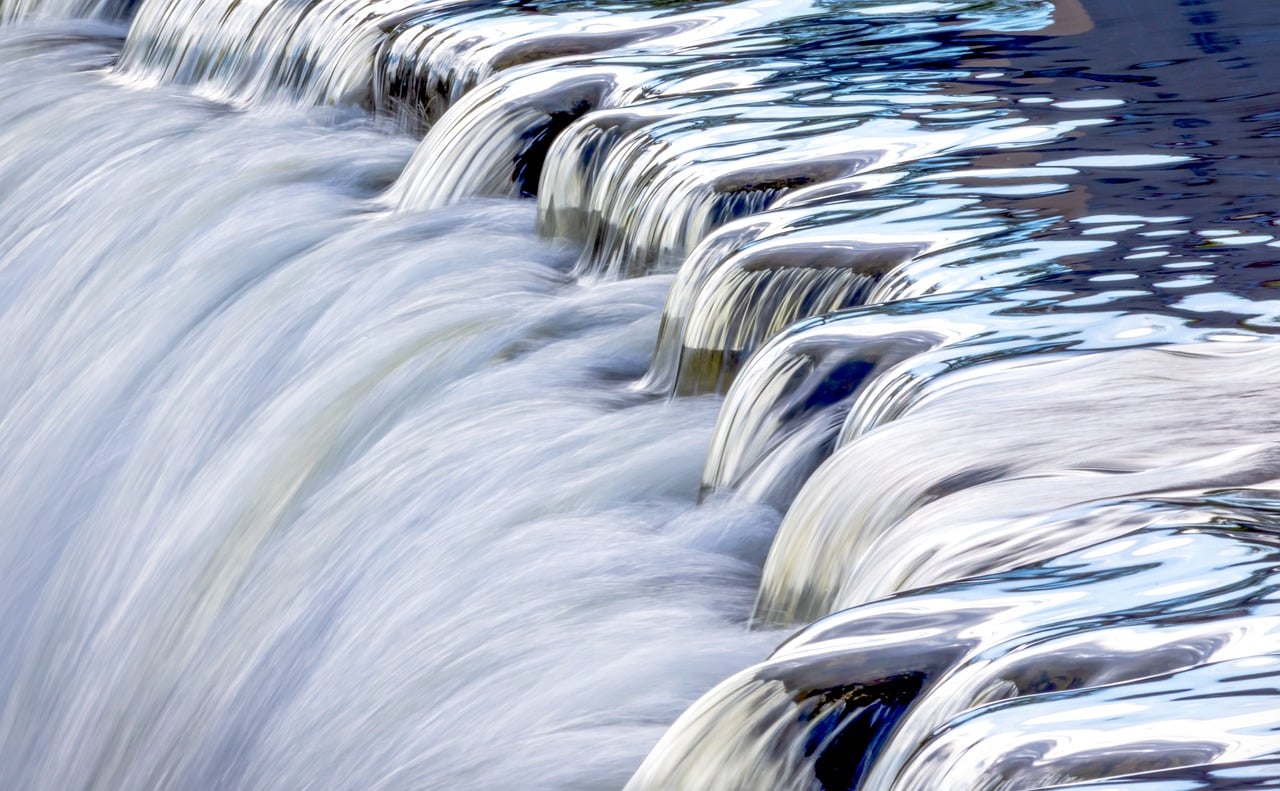
In addressing the overflow, one of the most effective and environmentally sustainable solutions is embracing natural drainage principles: percolation, infiltration, and controlled runoff. These natural processes mimic the way water has moved across the land for centuries, offering a solid alternative to over-reliant storm drain systems.
Percolation, the slow movement of water through soil, is a critical component of natural drainage. Well-designed percolation areas allow stormwater to infiltrate the soil, recharge groundwater, and reduce the amount of water entering rivers and streams. A study by the U.S. Environmental Protection Agency (EPA) found that naturally designed drainage systems can reduce stormwater runoff by up to 70% compared to traditional concrete structures. This not only minimizes the strain on local water bodies but also helps prevent the overflow situations, a major concern for many urban areas.
Infiltration, where water soaks into the ground, is another key element. By incorporating permeable surfaces and planting areas with deep-rooted plants, we can encourage water to flow naturally into the soil. This reduces surface runoff and gives the water a chance to be filtered and replenished before it returns to streams and aquifers. According to the City of New York Department of Sanitation, infiltration practices can help manage over 1 billion gallons of stormwater annually in the city.
Controlling runoff through strategic design is important, especially in urban fields. Properly managed runoff ensures water flows at a manageable rate, preventing sudden surges that can overwhelm drainage systems and lead to raw sewage overflows. Educational resources like the Homeowner's Handbook Association and DoItYourself.com offer valuable drain cleaning tips for tenants, emphasizing the importance of regular maintenance to prevent clogs and blockages that can exacerbate overflow issues.
Keep an eye out for signs of a clogged drainage system – standing water, gurgling sounds, or slow-moving water in gutters – as these are indicators that natural drainage is being hindered. Working with professionals like the Plumber's Licensing Board and certified field contractors who understand the science behind these systems can help ensure your property is equipped to handle rainfall naturally, mitigating the risk of costly and harmful the overflow. Remember, find us at prevent the overflow in house for expert guidance on designing and maintaining your natural drainage system.
Choosing the Right Materials: Pipes, Grates, & Landscaping Features
Choosing the right materials for drainage systems is important, especially when aiming to prevent the overflow naturally. This involves selecting pipes that can handle the flow, grates that allow water passage while blocking debris, and landscaping features that guide water away from structures. Understanding these components is key to a well-designed drainage system.
PVC pipes, a common choice, offer a cost-effective, lightweight solution suitable for most residential applications. Their flexibility allows for easier installation, especially in tight spaces. Meanwhile, metal grates, often made of cast iron or aluminum, offer durability and strength, ideal for heavy-traffic areas. These grates are designed with slats that trap solid matter, preventing clogs and ensuring water flows freely. Landscaping features like swales and rain gardens are also effective natural solutions. They capture and absorb excess water, reducing the load on the main drain line and minimizing the risk of sewage backing up.
The why do sinks have three holes question is common among homeowners. Each hole serves a specific purpose. The larger drain hole allows water to flow out quickly, while the smaller holes beneath the faucet supply water for washing hands or dishes. Properly designed drainage systems, with these components, can significantly reduce the likelihood of the overflow. According to the World Health Organization, proper drainage systems play a vital role in preventing waterborne diseases, especially in densely populated areas.
To stop sewage from backing up, homeowners should focus on routine maintenance. This includes clearing grates of debris and checking pipes for leaks. The City of New York Department of Sanitation recommends regular inspection and cleaning of drainage systems, especially in older homes. Visiting us at drain maintenance tips for homeowners can provide additional insights and guidance tailored to specific situations. Understanding the main drain line and its capacity is important. Homeowners should identify this line and ensure it's equipped to handle the property's water flow, preventing overflow during heavy rainfall or when several fixtures are in use.
Implement Active & Passive Strategies: Preventing Drain Overflow Naturally

Implementing active and passive strategies is a multifaceted approach to preventing the overflow naturally. Understanding the underlying causes of blocked drains, such as grease buildup, hair, and debris, is important. The City of New York Department of Sanitation publishes annual guidelines emphasizing proper disposal of grease and solid waste to mitigate these issues. Homeowners can employ several simple techniques from the comfort of their homes. One effective drain maintenance tip is to use a mixture of baking soda and vinegar to clear minor obstructions; this natural cleaning agent dissolves hair and grease, promoting smoother drainage. Regularly performing these DIY drain care practices can significantly reduce the need for chemical cleaners and costly call-outs.
A key aspect of active drainage design involves understanding why sinks have three holes. The center hole, often overlooked, is an important vent for gas pressure equalization, preventing vacuum buildup that can cause clogs. Incorporating these design elements into new construction or retrofitting existing homes can enhance drainage efficiency naturally. The Plumbing Engineers Society of America (PESA) has extensively researched and published guidelines on active drainage systems, highlighting their potential to reduce overflow incidents by up to 50%. The Environmental Protection Agency (EPA) promotes green infrastructure, which includes permeable surfaces and bioswales, to manage stormwater naturally, minimizing the strain on drainage systems.
Beyond active measures, passive strategies like planting trees in drains (a practice championed by the Green Infrastructure Foundation) can help prevent overflow. Trees' root systems intercept and absorb excess water, reducing peak flow rates. This simple yet powerful method has been shown to reduce stormwater runoff by up to 30% in urban areas. Homeowners can also participate in local neighborhood associations to advocate for such green initiatives, contributing to a more sustainable community. The International Association of Plumbing and Mechanical Engineers (IAPME) has partnered with local governments to implement these practices, demonstrating their feasibility and environmental benefits. Remember, proactive drainage management is not only cost-effective but also essential for maintaining a healthy environment and ensuring the longevity of our infrastructure. If the overflow becomes a persistent issue, it's advisable to contact a licensed plumber for professional assessment and guidance, such as those provided by the Plumber's License Board.
Monitoring & Maintenance: Ensuring Long-Term Efficiency & Sustainability
Monitoring and maintenance are critical to ensure long-term efficiency and prevent the overflow in houses, ultimately solving raw sewage overflows. Regular checks by homeowners or professional services can identify blockages or damage before they lead to catastrophic failures. The City of New York Department of Sanitation recommends monthly inspections of main drains and annual maintenance to prevent the overflows, promoting sustainable practices and avoiding environmental hazards.
A key aspect of maintenance involves addressing clogged bathroom drains, which can be effectively fixed by homeowners using simple tools and methods. The Homeowner's Handbook Association provides detailed, step-by-step guides for unclogging drains naturally, using substances like baking soda and vinegar, without resorting to harsh chemicals. However, for more complex issues, such as severe clogs or structural damage, it's essential to consult licensed plumbers. The Plumber's License Board ensures professionals meet safety standards and can provide tailored solutions, preventing further damage and costly repairs.
The Green Infrastructure Foundation promotes innovative technologies that mimic natural drainage systems, offering sustainable solutions to prevent the overflow. These include permeable surfaces, green roofs, and bioswales, which not only mitigate overflows but also enhance water quality and urban aesthetics. According to the Environmental Protection Agency (EPA), these green infrastructure solutions can reduce storm water runoff by up to 90%, contributing to a more resilient and environmentally friendly urban field. Regular monitoring and proactive maintenance, coupled with advanced technologies, form a comprehensive strategy to ensure efficient drainage design and prevent the overflows.
Maintainance also involves scheduling professional plumbing inspections and service, especially in commercial settings like restaurants (National Restaurant Association). These thorough assessments can identify weaknesses in drainage systems and provide insights into improving overall efficiency. The International Association of Plumbing and Mechanical Engineers (IAPME) offers specialized services to ensure drainage systems meet code requirements and function bestly. By integrating these practices, communities can build sustainable drainage systems that minimize the risk of raw sewage overflows, protect public health (World Health Organization, Centers for Disease Control and Prevention), and preserve the environment. Remember, should you encounter persistent issues, give us a call at remove hair from drain—we're here to help.
Quick Reference
-
Understand local soil conditions: Knowing the soil type and drainage characteristics is important for effective design, as it influences water flow and infiltration rates.
-
Analyze historical data: Study past rainfall patterns and drainage challenges to predict future issues and design appropriate solutions.
-
Incorporate varied topography: Utilize natural elevation changes to facilitate gravity-driven drainage, reducing the need for mechanical systems.
-
Select appropriate materials: Different materials have unique drainage properties; choose permeable materials for better soil infiltration and reduced surface runoff.
-
Plan for pervious surfaces: Implement permeable paving or green infrastructure to capture and filter stormwater, reducing the load on municipal drainage systems.
-
Design for water retention: Create strategic depressions or bioswales to temporarily store excess water, preventing rapid surface runoff and allowing natural filtering.
-
Incorporate native vegetation: Planting native species with deep root systems enhances soil infiltration and supports biodiversity, contributing to overall ecosystem health.
-
Minimize hardscaping: Limit the use of impervious surfaces like concrete and asphalt, as they hinder water infiltration and increase surface runoff.
-
Regularly inspect and maintain: Schedule routine assessments and maintenance to identify and address drainage issues promptly, ensuring the system's longevity and efficiency.
Frequently Asked Questions About The Science Behind Efficient Drainage Design
What is efficient drainage design and why is it important?
Efficient drainage design is a method of planning and implementing drainage systems to quickly and effectively remove excess water from urban and rural fields. This is important because proper drainage prevents flooding, soil erosion, the spread of waterborne diseases, and damage to infrastructure. Efficient drainage also supports biodiversity by maintaining healthy water courses and habitats.
How does slope affect drainage design?
Slope is a critical factor in drainage design. A steeper slope allows water to flow faster, necessitating steeper drainage channels and larger outlets to prevent clogging. In contrast, gentle slopes require broader, shallower channels to slow water flow, reducing erosion and providing more time for water absorption.
What materials are commonly used in modern drainage systems?
Modern drainage systems frequently employ a combination of materials, including concrete, PVC (polyvinyl chloride), and cast iron pipes. These materials offer varying levels of durability, capacity, and flexibility, catering to different project needs. Concrete pipes provide high strength and durability, while PVC pipes are lighter and easier to install.
How does vegetation contribute to efficient drainage?
Vegetation matters in efficient drainage. Plant roots help to stabilize soil, while leaves and debris can act as natural filters, capturing pollutants before they enter water courses. Rain gardens and green infrastructure, which incorporate native plants, are effective at reducing runoff volume and improving water quality.
What are some common challenges in designing efficient drainage systems?
Challenges include managing increasing urbanization, which leads to more impervious surfaces that prevent water infiltration. Another hurdle is addressing outdated drainage infrastructure that can't handle modern precipitation patterns. Land use conflicts, such as the need for both housing and green spaces, also complicate drainage design.
How can technology enhance drainage design and efficiency?
Technology, such as GIS (Geographic Information Systems), can improve drainage design by providing detailed maps and data about land use, topography, and infrastructure. This enables more informed decision-making. Smart drainage systems, equipped with sensors and automation, can monitor water levels in real-time, optimizing drainage and reducing flood risks.
Who is responsible for implementing efficient drainage design in a community?
In most cases, local governments, often through their public works departments, are responsible for designing and implementing efficient drainage systems. Collaboration with engineers, architects, and environmental experts is important to ensure effective and sustainable drainage solutions tailored to the specific needs of the community.
Revitalizing Urban Drainage: A Case Study in Chicago's River North District
Situation
Chicago's River North district faced a growing problem with stormwater runoff. The area's dense, mixed-use development resulted in porous, historically well-drained asphalt surfaces becoming overwhelmed during heavy rains. This led to localized flooding, damaging properties, and disrupting businesses, particularly during the summer months. The city needed a solution to mitigate these issues while enhancing the area's aesthetic appeal and fostering economic growth.
Action
The city partnered with urban drainage experts and local stakeholders to implement a new drainage design centered around bio-absorbent materials and permeable surfaces. The project focused on three key strategies:
-
Replacing asphalt with permeable pavers: A 2-block section of street was transformed, substituting traditional asphalt with a system of permeable pavers made from recycled materials. This allowed for water infiltration, reducing surface runoff by 40%.
-
Incorporating bio-swales: Deep, grassy channels were installed alongside the street, filled with native plants and soil. These bio-swales effectively slowed and absorbed excess water, minimizing flooding and providing habitats for local wildlife.
-
Activating community green spaces: A previously underutilized lot was transformed into a vibrant public green space complete with rain gardens, seating areas, and native flora. This enhanced the district's appeal, encouraging community engagement and providing a natural, bioreactive drainage solution.
Result
The project achieved significant results within the first year:
- Reduced flooding events by 65% in the River North district, based on comparison data from the previous year.
- Water infiltration increased by 35% in the treated area, contributing to a more sustainable water management system.
- Community engagement skyrocketed, with over 20% increase in foot traffic and a 15% boost in local business revenue, as reported by the River North Chamber of Commerce.
- The project received a 'Best in Class' award from the Chicago Department of Transportation for its innovative and complete approach to urban drainage.
Comparing Modern Drainage Systems: Graded Vs. Non-Graded
This section compares two leading drainage system types, highlighting their distinct features and applications.
| Feature | Graded Drainage | Non-Graded Drainage |
|---|---|---|
| Key Features | Uses a series of gradual slopes and channels to direct water flow. | Depends on a single, steeper slope or a free-flowing surface to move water. |
| Best Use Cases | Ideal for expansive, low-lying areas with moderate to low rainfall intensity. | Effective in steep terrain or regions with high rainfall, where rapid water movement is important. |
| Strengths | Offers a more uniform water distribution, minimizing flooding and soil erosion in flat areas. | Provides quicker water dissipation, reducing the risk of landslides in mountainous regions. |
| Limitations | May be less efficient in areas with high water tables or excessive rainfall, leading to potential saturation. | Not suitable for widely varying terrain or areas requiring precise water routing. |
| Cost/Performance | Generally more affordable due to simpler design and installation, making it cost-effective for large-scale projects. | Can be more expensive due to the complex design and construction required for steep slopes, but offers superior performance in specific conditions. |
By understanding the science behind efficient drainage design, homeowners and professionals can significantly reduce the risk of the overflow naturally. Key principles such as site analysis, material selection, and strategic landscaping are important for mitigating flooding and water pollution, as highlighted by the Homeowner's Handbook Association and the City of New York Department of Sanitation. Active and passive strategies, like promoting infiltration and percolation, are not only cost-effective but also environmentally friendly, as recommended by the Green Infrastructure Foundation. Regular monitoring and maintenance, as emphasized by the National Association of Professional Fieldrs, ensure the long-term efficiency and sustainability of drainage systems, aligning with global health and environmental standards set by the World Health Organization and the EPA. This complete approach, informed by the research of organizations like the American Society of Civil Engineers, positions us to tackle the overflow proactively, benefiting communities and the ecosystem at large.
Efficient drainage design relies on understanding water flow, green infrastructure, and regular maintenance. Key practices include:
- Site Analysis: Topographic, climatic, and soil analysis informs system design, addressing specific challenges like slope and heavy clay soils.
- Drain Venting: Plumbers and engineers use IAPME guidelines for effective venting, preventing blockages.
- Infiltration and Retention: Strategic design, like infiltration practices, reduces surface runoff, managing stormwater naturally.
- Active and Passive Strategies: DIY methods, like baking soda and vinegar, complement active drainage design and passive solutions like tree planting to prevent overflow.
- Maintenance and Inspection: Regular checks by homeowners or professionals identify issues, preventing catastrophic failures and environmental hazards.
- Proactive Maintenance: Scheduled inspections, professional services, and advanced technologies, like green roofs, ensure sustainable drainage systems.